What the bleep is Phonics?
A Parent-Friendly Guide to Phonics vs. Sight Words
"We didn't have phonics when I was at school!"
Sound familiar?
If you are a parent of an early reader, you might feel like your child is suddenly speaking a foreign language. They come home talking about "decoding," "blending," and "pseudo words," leaving you wondering when learning to read became so... complicated.
After all, you’re the adult. You’ve been reading for decades. Yet, it can feel like your five-year-old knows a secret code you missed out on.
What even is a digraph? Since when did a 'silent e' become a 'split digraph'? And why on earth is your child bringing home a list of "alien words"?
If you feel out of your depth, you are not alone. The way reading is taught has shifted dramatically. Here is the parent-friendly guide to breaking down the code—no teaching degree required.
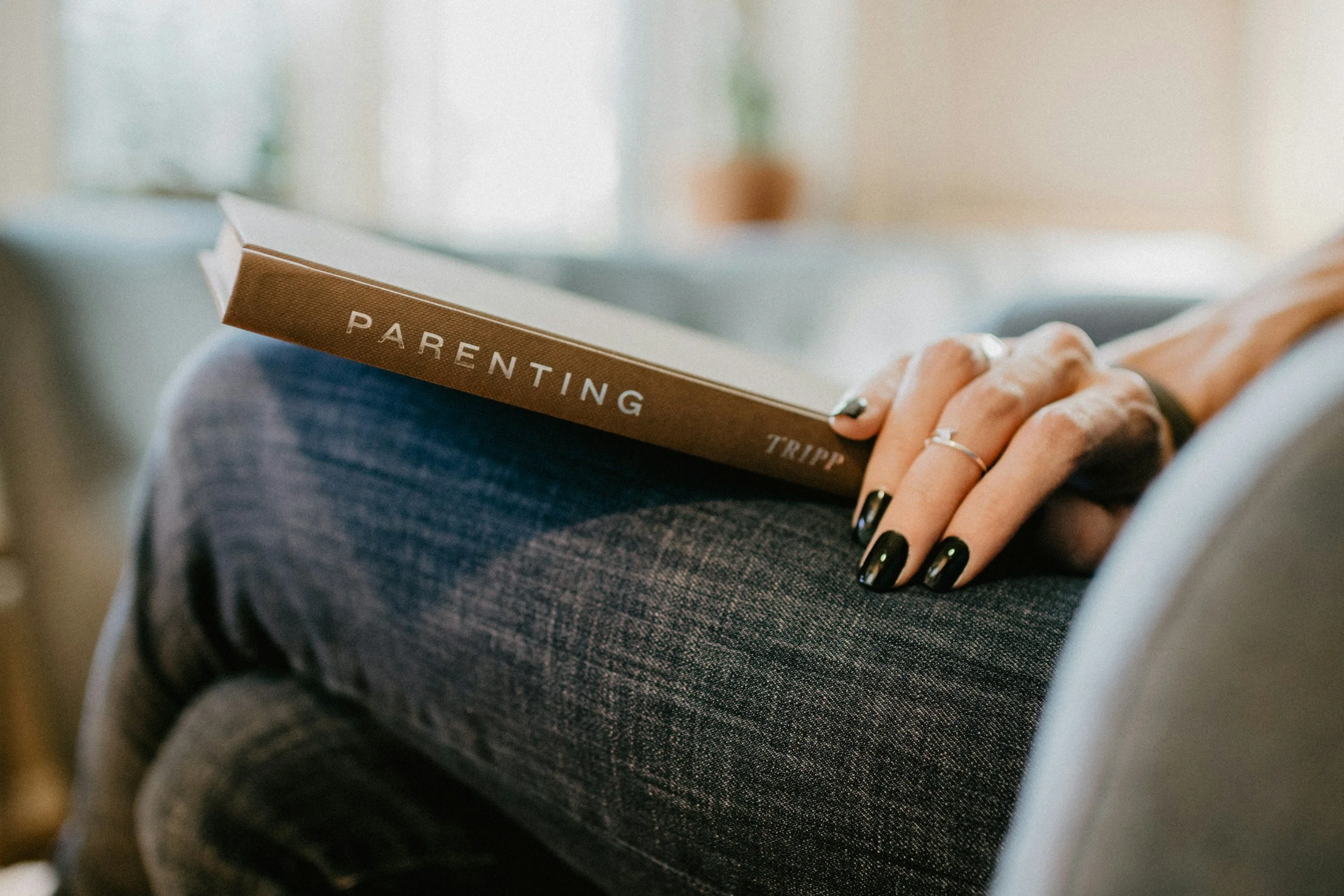
The “Recipe” to reading

In simple terms, phonics is the relationship between letters and the sounds they make. Once your child learns the code, they can unlock the door to reading.
It sounds simple, but the English language is famously tricky. Consider the math:
There are 26 letters in the alphabet.
Those letters create 44 distinct spoken sounds.
Those 44 sounds can be spelled in over 240 different ways!
So, you are definitely not losing your mind when you notice that day, cake, rain, and baby all share the exact same vowel sound but look completely different on the page.
Because English is so complex, schools use structured phonics programs to introduce these sound combinations in a careful, step-by-step sequence.
Think of it like baking cupcakes with a four-year-old on a rainy Sunday afternoon. You wouldn't hand them a picture of a perfect Mary Berry Victoria sponge and expect them to recreate it out of thin air. They need the raw ingredients, the measurements, and the recipe first.
Phonics gives children the raw ingredients of language. Instead of forcing them to memorise what a finished word looks like, it teaches them the recipe. Once they know how the sounds mix together, they can bake—and read—just about anything.
Sight Words: The "Forbidden Ingredients"
Rules are meant to be broken, right?
Just when you think you’re becoming a phonics master, common exception words enter the chat to break all the rules.
These are the pesky words that found a loophole in the system—like said, the, and because. You can’t use them in that cake recipe we talked about. If your child tries to sound out the word said using phonics, they'll end up saying "say-ed."
Ridiculous, right? These words simply have to be memorised on sight. And brace yourself: children are expected to learn roughly 99 of these rule-breakers before the age of 7.
"What about us?"
That's the sound of high-frequency words interrupting.
Educators love a fancy term, but this one just means the words that pop up the most in everyday language (like and, it, and was). Some can be sounded out with phonics, and some are exception words. But the superpower of mastering them is undeniable:
The 80% Rule: If a child recognizes just the first 100 high-frequency words on sight, they can instantly access 80% of the text in early children's books.
Phonics gives them the tools to decode the tricky stuff, but sight words give them the pure speed and confidence to keep turning the pages.

The Secret Sauce: Mixing the Perfect Reading Batter
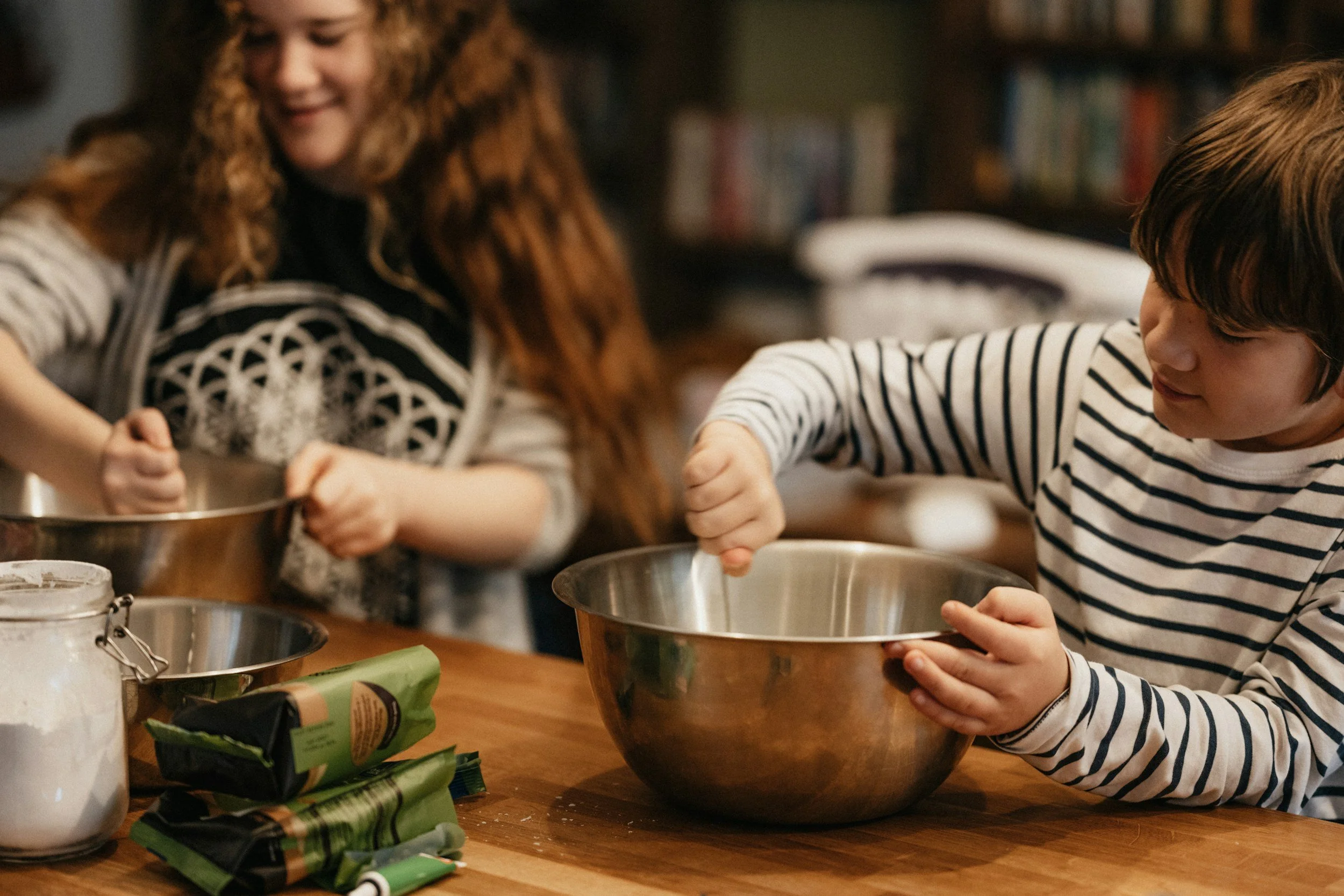
So, how do phonics and sight words work together? It’s simple, really.
Think of them as a team. If children have a strong knowledge of phonics sounds, understand how they look on a page, and can instantly recognize those "forbidden ingredients," they are set up for a massively successful reading journey.
And this isn't just about passing a test at age six—it's a skill for life.
Even as competent adults, we still encounter brand-new words every day. Could you read, decode, and blend the word incomprehensibilities without using phonics? I doubt it! You have to break it down sound by sound, just like a child does with cat.
We aren't just teaching children to read for right now; we are arming them for the future. When a child feels equipped for the battle, they don't just survive the reading process—they actually enjoy it.
After all, knowledge is power!
Put It Into Practice: 2 Quick Games (With One Golden Rule)
Who doesn’t love a freebie? You don't need to turn your living room into a rigid classroom to help your child master these concepts.
But before we play, we have to establish one golden rule.
Imagine you're starting a game: “I spy with my little eye, something beginning with the sound 'muh'...”
Stop! For the love of schwa, please stop right there.
What on earth is a schwa? It’s that "lazy," unstressed "uh" sound people accidentally tack onto the end of letter sounds (turning m into muh, or t into tuh).
It is vital that children hear the correct, pure phonetic sounds from adults. Instead of "muh," they need to hear "mmm." Think about eating that delicious cake we talked about earlier... mmm! Skipping the schwa makes it infinitely easier for your child to blend sounds into words later.
Now that you've mastered the pure sounds, try these two low-prep games this week:
Game 1 (Phonics): "Sound I Spy" Play the classic game, but use pure sounds instead of letter names or schwas. "I spy something that starts with the /ch/ sound..." or the pure /s/ sound.
Game 2 (Sight Words): "Sticky Note Splat" Write 5 of those tricky common exception words (like said, the, out) on separate sticky notes and stick them to a wall. Say a word aloud, and challenge your child to "splat" the correct note with a flyswatter or a soft toy. It gets them moving and builds instant word recognition.

Ready to turn reading frustration into your child’s favourite time of day?
Helping your child decode their first sentences is incredibly rewarding—but you don’t have to spend your Sunday nights cutting out flashcards and scrolling Pinterest. At Little Reader Co. we do the heavy lifting for you. Our Early Reader Kits deliver monthly, expert-designed phonics games right to your doorstep. Click here to claim 20% off your first box and turn reading frustration into your child’s favourite time of day.